
صفقة الـ 28 مليار التي هزت واشنطن: رعب ترامب في الغرف المغلقة وحرب الغواصات السرية! 🚨 - Unveiling Geopolitical Shifts
Analyzing the $28 billion Russia-Iran deal and its impact on global power dynamics in Mounis Firwana's latest video.
By Mounis Firwana · 15:41
In the intriguing video "صفقة الـ 28 مليار التي هزت واشنطن: رعب ترامب في الغرف المغلقة وحرب الغواصات السرية! 🚨" by Mounis Firwana, we're thrust into a world where international dynamics are rapidly evolving. The $28 billion deal between Russia and Iran is not just another headline. It's a game-changer in the geopolitical world, impacting everything from nuclear balance to regional alliances.
The Deal's Impact
This deal marks a significant shift. Suddenly, Moscow's influence in the Middle East is undeniable, challenging the traditional dominance of the United States. As I've followed these developments, it's clear that this isn't just about money or weapons-it's about rewriting the rules of international power.
Russia's involvement in Iran's nuclear file suggests that the tectonic plates of global politics are in motion. Can America maintain its influence? This video doesn't just raise this question; it compels us to rethink the current state of global diplomacy.
Internal Struggles in Washington
While the external geopolitical world shifts, Washington is grappling with its own crises. The video highlights a fraught interrogation of the U.S. Treasury Secretary, revealing cracks within the government. What's happening behind closed doors? Are we witnessing a retreat from global engagement?
I've often wondered how these internal pressures affect international policy. The chaos within might just be as impactful as the maneuvers of foreign powers. In these tumultuous times, the United States must navigate its path carefully.
Submarine Standoff
Under the waves, a silent but tense war is brewing. The video's revelations about Russian and Chinese nuclear submarines encircling the U.S. waters resonate deeply. It's a chilling reminder of the stakes at play. The once-unquestioned supremacy of American naval power is being challenged in ways we didn't foresee.
The Rising Threat in the Strait of Hormuz
Iran's bold assertions regarding the Strait of Hormuz also emerge as a significant point of contention. These moves are not just strategic-they're a direct affront to American control in the region. How will the U.S. respond to such provocations? As tensions rise, allies like Australia may reconsider their alliances, caught in the crossfire of superpower chess.
A Changing World Order
Ultimately, the video paints a picture of a world in transition. With alliances shifting toward Russia and Asian powers, the geopolitical center of gravity is moving away from Washington. This isn't just about strategy or policy-it's about the future of global leadership.
As I've delved into these topics, the complexity of international relations becomes apparent. The dynamics captured in Firwana's discussion are a vivid portrayal of a world in flux. And honestly, it leaves us pondering the role the U.S. will play in this new order.
Related Content
- India vs Global Pressure: The Real Story Behind Bangladesh Border Fencing Dispute - India vs Global Pressure: Bangladesh Border Fencing Unraveled
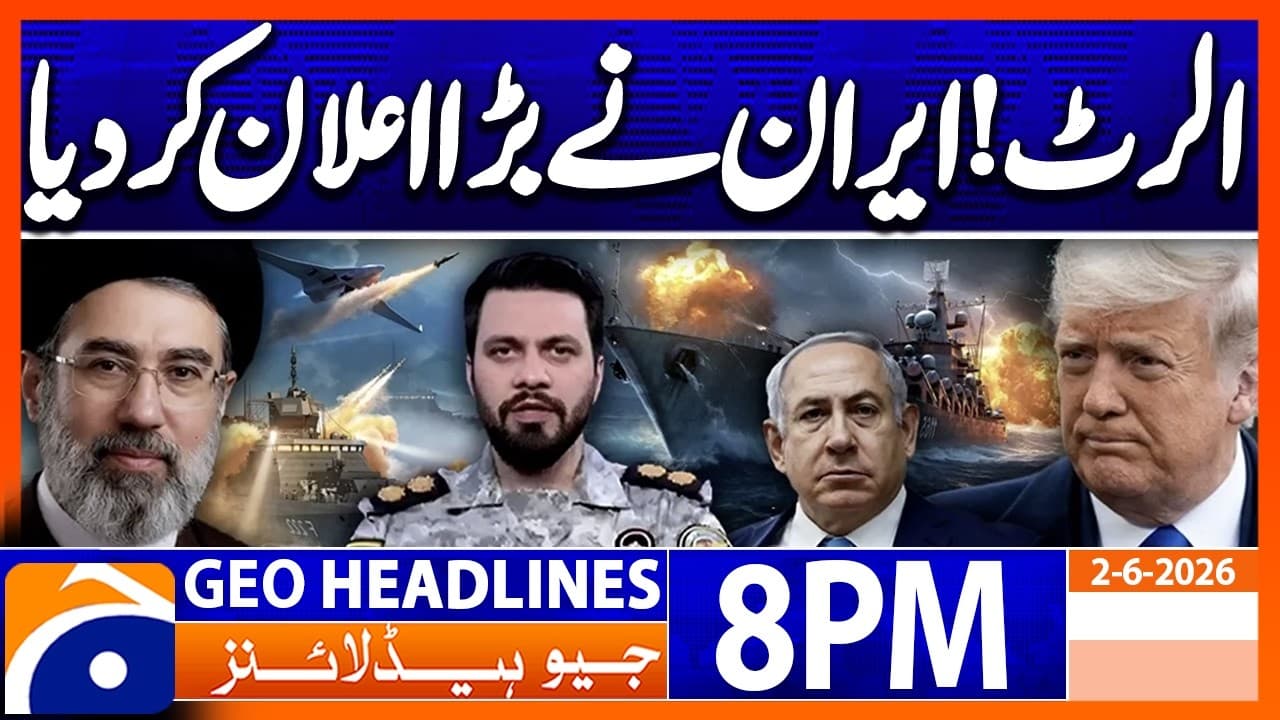
- Kuwait Airport Attack Claims? Iran Issues Big Statement | 7 AM Headlines GeoNews | 6 June 2026 - Kuwait Airport Attack Claims? Iran's Bold Response - Key Insights
- Heavy Rain : Weather Update | 6 AM Headlines GeoNews | 4 June 2026 - Heavy Rain : Weather Update | 6 AM Headlines GeoNews | 4 June 2026 - Geopolitical Impacts Uncovered
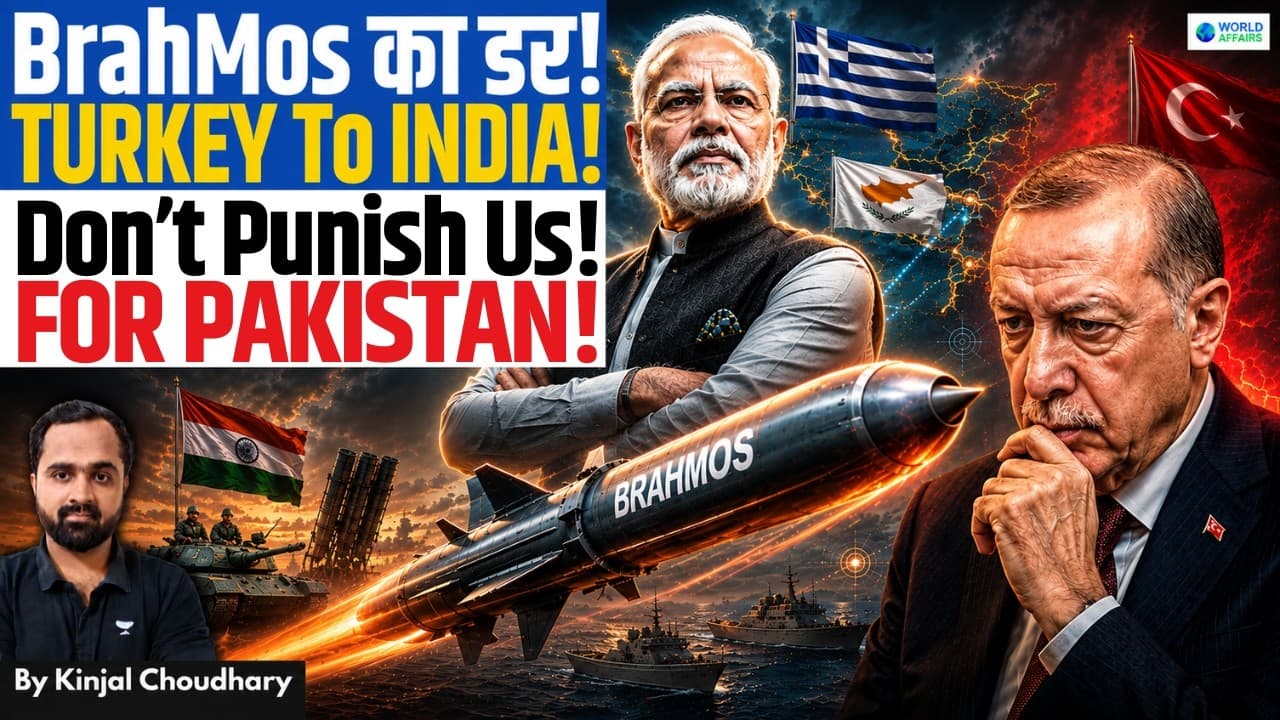
- Turkey Begs India For Good Relations! Pakistan Backers Shocked As BrahMos Goes Global | Kinjal - Turkey Begs India For Good Relations! BrahMos Impact - Key Insights
Frequently Asked Questions
What is the significance of the $28 billion deal between Russia and Iran?
How has the video portrayed the internal political situation in Washington?
What are the strategic implications of Russian and Chinese submarines around the U.S.?
Why is Iran's stance on the Strait of Hormuz important?
What does the video suggest about the future of U.S. global leadership?
How does this situation affect U.S. allies?
Where can I learn more about similar geopolitical topics?
What role do nuclear capabilities play in this scenario?
Chat with this Video
Ask AI anything about this video. Get instant answers, summaries, and insights.
Related Videos
 18:55
18:55MODI ने बहुत बड़ी मुसीबत मोल ले ली, SAUDI, UAE, IRAN BHARAT आ रहे For MEETING |CWSJ-3372 #sumeetjain - India's Diplomatic Challenge
 19:08
19:08India vs Global Pressure: The Real Story Behind Bangladesh Border Fencing Dispute - India vs Global Pressure: Bangladesh Border Fencing Unraveled
 8:34
8:34Kuwait Airport Attack Claims? Iran Issues Big Statement | 7 AM Headlines GeoNews | 6 June 2026 - Kuwait Airport Attack Claims? Iran's Bold Response - Key Insights
 19:56
19:56Heavy Rain : Weather Update | 6 AM Headlines GeoNews | 4 June 2026 - Heavy Rain : Weather Update | 6 AM Headlines GeoNews | 4 June 2026 - Geopolitical Impacts Uncovered
 12:37
12:37Turkey Begs India For Good Relations! Pakistan Backers Shocked As BrahMos Goes Global | Kinjal - Turkey Begs India For Good Relations! BrahMos Impact - Key Insights
 12:31
12:31