
How Strong US Job Growth Caused Bloodbath In US Markets! AI BUBBLE BURSTING? Iran War Link | Kinjal - What Critics Got Wrong
Unpack how US job growth unexpectedly led to a market crash in this eye-opening analysis.
By World Affairs by Unacademy · 17:17
In the video "How Strong US Job Growth Caused Bloodbath In US Markets! AI BUBBLE BURSTING? Iran War Link | Kinjal," the complex relationship between economic growth and market reactions is unraveled. I've always thought that more jobs mean a healthier economy. But is that really the case?
The unexpected market crash triggered by US job growth reveals deeper economic intricacies. What struck me was how this 'good news' paradoxically led to a market downturn. When the data came in showing 175,000 new jobs instead of the expected 85,000, markets plummeted. Stocks, gold, and cryptocurrencies all took a hit.
The AI Sector Takes a Hit
AI, the sweetheart of the investment world, wasn't spared from this chaos. As investments flooded into AI over recent years, many thought it was untouchable. Yet, the market crash indicated potential bubbles. Analysts even compared it to the dot-com bubble, where speculation outweighed tangible returns. It's a jarring reminder that promising sectors aren't immune to broader economic forces.
Interest Rates and Market Dynamics
One might ask, why do markets react negatively to good job data? Here's the thing: more jobs suggest economic strength, but they also hint at potential rate hikes by the Federal Reserve. Higher interest rates make bonds more appealing, effectively drawing investors away from stocks and other assets. This interplay can destabilize even the most strong sectors if not anticipated.
Federal Reserve's Role in Market Volatility
The Federal Reserve plays a crucial role in this financial narrative. Their decisions on interest rates can either bolster or hinder market performance. With job growth exceeding expectations, the fear is that the Fed will tighten monetary policy. It’s a delicate balance, and any misstep could exacerbate market instability.
Is the AI Bubble About to Burst?
With talks of an AI bubble bursting, there's growing unease among investors. Many comparatives have been drawn with past economic bubbles, where excessive optimism wasn't backed by reality. Are we seeing the early signs of an AI market correction? Only time will tell.
The Broader Implications for Investors
For those in the market, this video serves as a cautionary tale. It isn't just about understanding the numbers; it's about interpreting their impact. If you're an investor, don't miss out on platforms like ChatYT to get a deeper understanding of such nuances.
Related Content
- New Rule: Grad GPT | Real Time with Bill Maher (HBO) - What Grads Must Know
- [이슈빡] 젠슨황, 이번엔 '삼소 회동'..AI 동맹 확장? / SBS / 뉴스헌터스 - [이슈빡] 젠슨황, 이번엔 '삼소 회동'..AI 동맹 확장? - The Real Takeaway
- Ai is Finished - I am Happy HAHAHAHAHAHA - The Real Takeaway
- Why Are All the Biggest AI Builders Quietly Building Bunkers? - Unveiling Tech Elites' Preparations
Frequently Asked Questions
Why did US job growth lead to a market crash?
What sectors were most affected by the crash?
Is the AI sector in danger?
What impact can the Federal Reserve have?
What are the historical parallels?
Chat with this Video
Ask AI anything about this video. Get instant answers, summaries, and insights.
Related Videos
 15:02
15:02144 mil demissões, o pior ainda vem. - AI's Hidden Impact
![[김어준의 뉴스공장] 젠슨황이 주목하는 대한민국(Faet.글로벌 AI 허브) - [김어준의 뉴스공장] 젠슨황이 주목하는 대한민국 - AI Hub Ambitions](/_next/image?url=https%3A%2F%2Fi.ytimg.com%2Fvi%2FmSGoRAcQcg8%2Fmaxresdefault.jpg&w=1920&q=75) 16:04
16:04[김어준의 뉴스공장] 젠슨황이 주목하는 대한민국(Faet.글로벌 AI 허브) - [김어준의 뉴스공장] 젠슨황이 주목하는 대한민국 - AI Hub Ambitions
 4:00
4:00Anthropic calls for global pause in AI development - Why Now?
 11:44
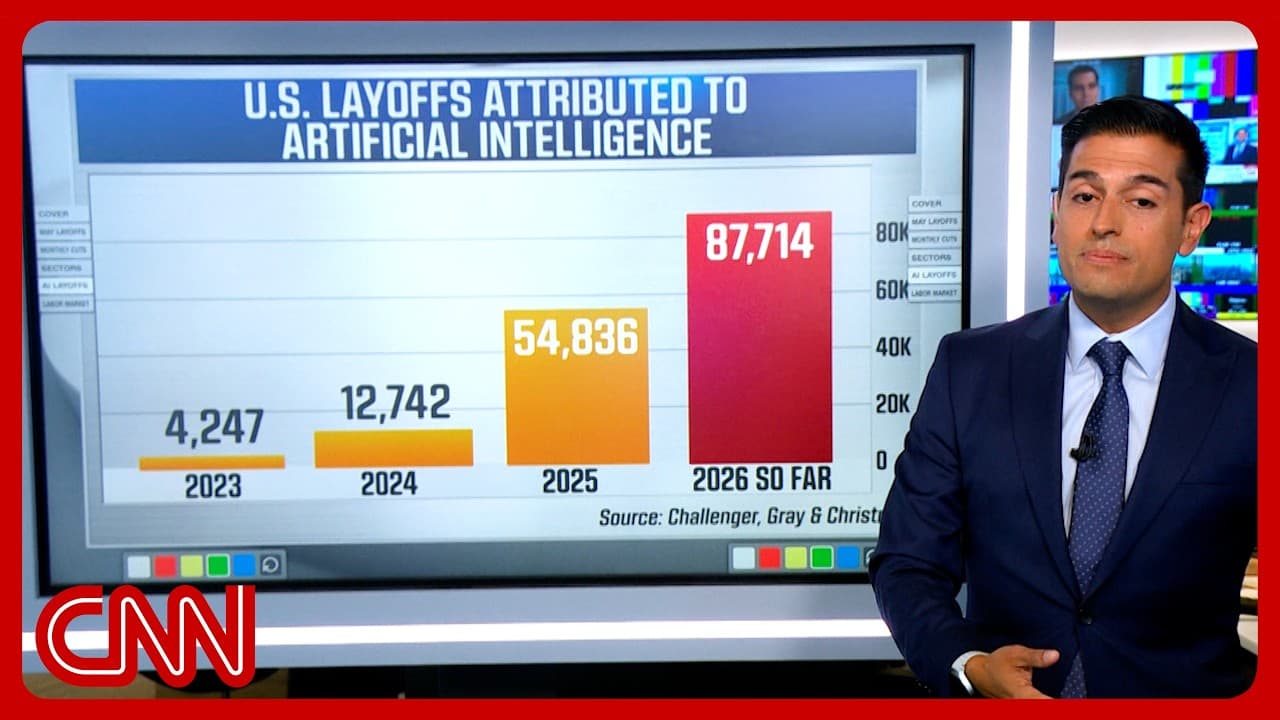
11:44Record layoffs driven by AI: Econ analyst reacts - What's Happening
 7:30
7:30DeepMind’s New AI Found A Strange New Way To Think - The Real Takeaway
 8:34
8:34