
Trump faces BACKLASH after scrapping AI executive Order - Trump faces BACKLASH after scrapping AI executive Order - What's Next?
Trump faces backlash for AI policy decision, sparking ethical debates
By MS NOW · 7:31
Trump's AI Decision Sparks Controversy
In a surprising move, President Trump has faced intense backlash after deciding against signing a crucial executive order related to AI policy. This video, shared by MS NOW, delves into the implications of this decision, exploring the political and ethical dimensions of AI regulation.
The Pope's Perspective on AI
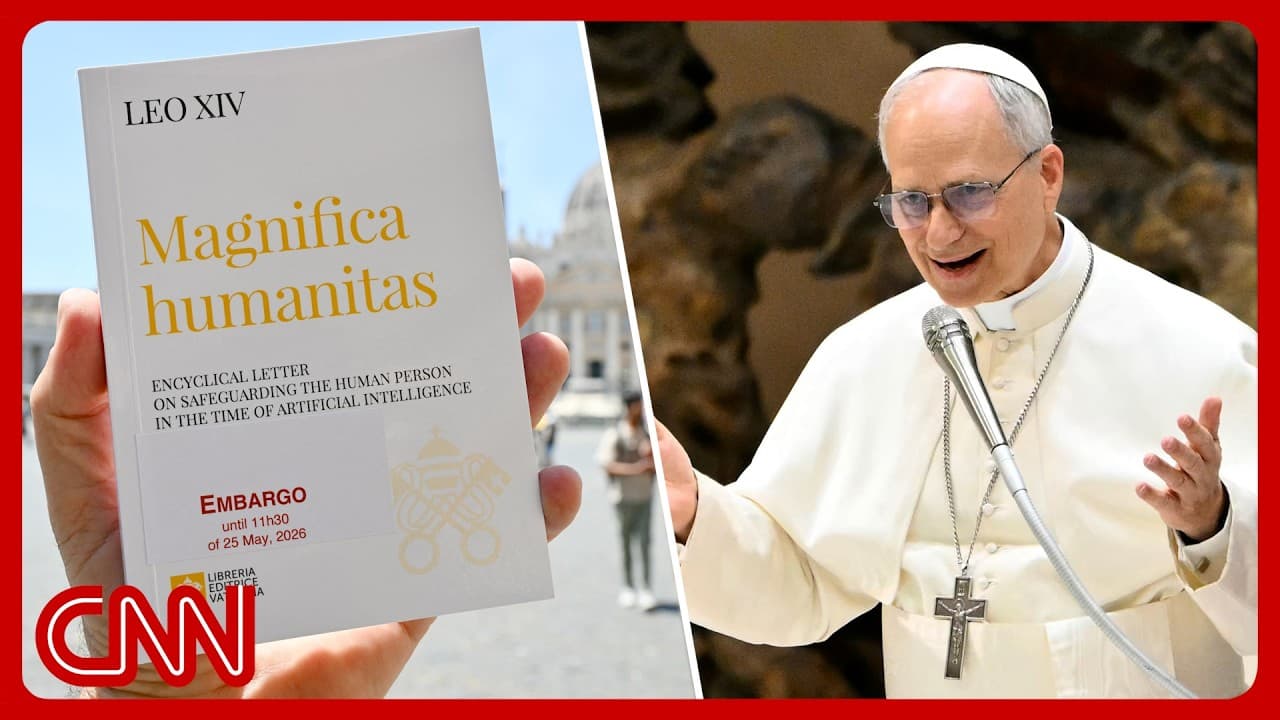
Pope Leo's recent document, Magnifica Humanitas, sheds light on the moral implications of AI. The Pope highlights the need to preserve human dignity in the face of technological advancements. A significant point he raises is the idea of disarming AI from military and economic exploitation. It’s a bold stance that suggests AI development should be inclusive, ensuring technology serves the broader public good rather than a select few.
I've found that this perspective resonates with many who fear unchecked AI growth might lead to ethical oversights. But here's the thing: disarmament as a strategy raises questions. Can it really keep tech giants in check? Or is stricter regulation just a pipe dream?
Industry Influence and Political Pressure
The discussion takes a critical turn when it addresses President Trump's decision to scrap the executive order. His talks with industry leaders like Elon Musk and Mark Zuckerberg reportedly influenced this move. They feared that safety vetting could slow AI advancement. Yet, Democratic Senator Mark Kelly's criticism highlights a crucial point: shouldn't policy focus on societal good rather than corporate interests?
Balancing Innovation and Oversight
The White House appears caught between promoting innovation and ensuring national security. The tension is palpable. AI technology is evolving at a breakneck pace, and the challenge lies in balancing regulation with growth. The administration's struggles reflect a broader question: how do we safeguard innovation without compromising security?
Insights from Within the White House
Politico journalist Sofia Kai provides a peek into the internal debates within the White House. Different perspectives clash, with tech leaders advocating minimal regulation while ethical concerns emphasize the need for oversight. It’s a fascinating narrative that underscores the complexity of AI policy-making. Honestly, it left me pondering how these discussions shape the future of technology.
AI's Human Element
The takeaway from the Pope's teachings is clear: AI, while powerful, is not human. It lacks emotions, relationships, and moral agency. This distinction is critical as we navigate the future of AI. The Pope's call for public participation in shaping AI's trajectory is not just idealistic; it’s necessary.
Want to explore more on AI and ethical implications? Platforms like ChatYT offer insightful analyses and expanded content on AI topics, providing tools to learn from videos like this one.
Related Content
- FULL SPEECH: Pope Leo XIV Warns AI “Needs To Be Disarmed” In Explosive Vatican Speech | AK1B - Ethical Implications Uncovered
- Pope Leo issues manifesto warning about AI - Ethical Call
- MIT Economist: AI Can't Do What They're Claiming - The Real Takeaway
- China builds underwater AI data centers at less than half price - An Inside Look
FAQ
What was the proposed AI executive order?
- It was designed to establish a safety vetting system for AI technologies to ensure they are developed responsibly.
Why did President Trump scrap the AI executive order?
- Influential tech leaders expressed concerns it might hinder AI development.
What is the significance of Pope Leo's Magnifica Humanitas?
- It emphasizes moral guidance and public participation in shaping AI, highlighting the need to preserve human dignity.
How does AI regulation impact national security?
- Balancing innovation with security is crucial to prevent potential misuse of AI, especially in military contexts.
Who is advocating for stricter AI regulations?
- Pope Leo and several ethical groups are advocating for regulations that prioritize societal welfare over corporate interests.
What does broader public participation in AI development mean?
- It means involving diverse voices in decision-making processes to ensure AI benefits all layers of society.
What are the ethical concerns with AI?
- Concerns include AI's lack of moral agency, potential biases, and its impact on employment and privacy.
Frequently Asked Questions
What was the proposed AI executive order?
Why did President Trump scrap the AI executive order?
What is the significance of Pope Leo's *Magnifica Humanitas*?
How does AI regulation impact national security?
Who is advocating for stricter AI regulations?
What does broader public participation in AI development mean?
What are the ethical concerns with AI?
Chat with this Video
Ask AI anything about this video. Get instant answers, summaries, and insights.
Related Videos
 10:47
10:47'We Find Ourselves Facing...': Pope Leo Issues Powerful Global Warning On AI, War | World News - Ethical Call To Action
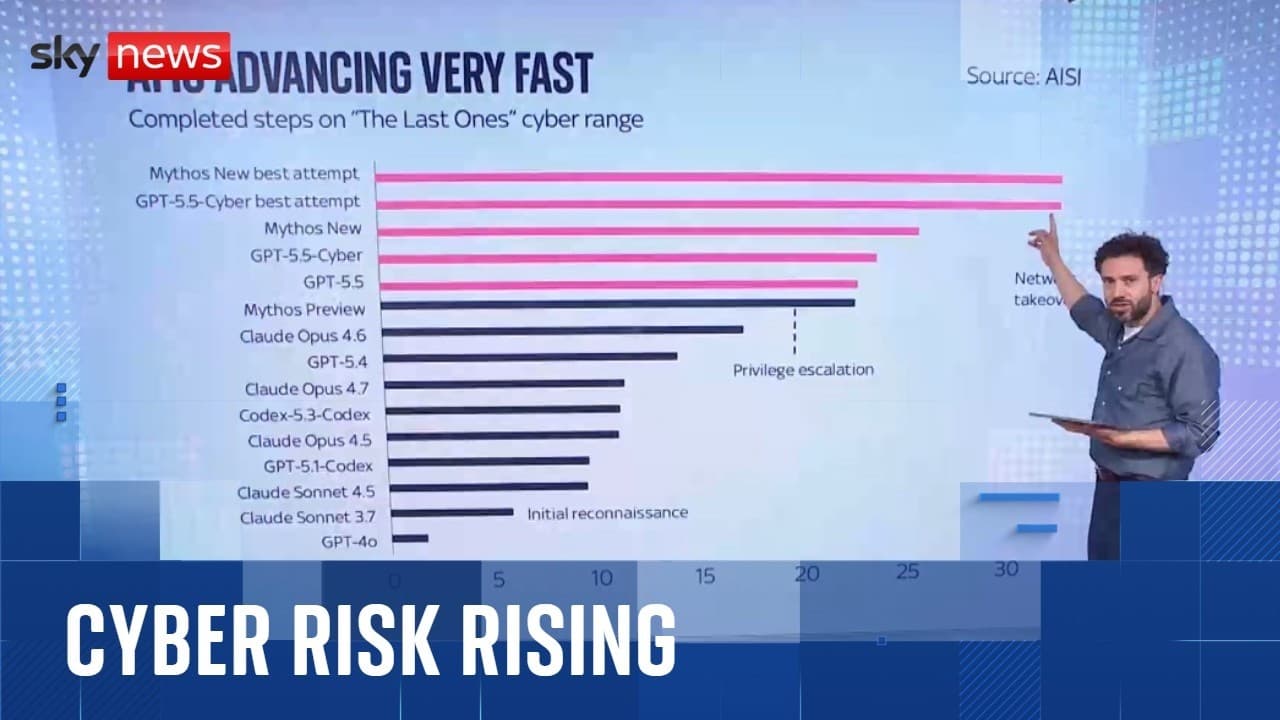 7:33
7:33Why the AI cyber threat is rising - What You Need to Know
 14:47
14:47If you use Google, watch this | Abhi and Niyu - AI's Bold Moves
 10:36
10:36สัญญาณว่างงานพุ่ง เปิดผลกระทบ AI ต่อตลาดแรงงานไทย - หนี้ครัวเรือนไทยพุ่ง - A Closer Look
 11:16
11:16FULL SPEECH: Pope Leo XIV Warns AI “Needs To Be Disarmed” In Explosive Vatican Speech | AK1B - Ethical Implications Uncovered
 11:28
11:28