
Nader Shah Attacks India - Sack of Delhi 1739 - Summary, Key Takeaways & FAQ
Explore Nader Shah's conquest of Delhi in 1739. A tale of power, strategy, and shifting empires.
By Kings and Generals · 18:46
In the fascinating video "Nader Shah Attacks India - Sack of Delhi 1739" by Kings and Generals, we're transported back to a time of strategic brilliance and tumultuous change. Honestly, what struck me was how Nader Shah manoeuvred through political worlds with such finesse, establishing himself as a dominant force.
His rise started after he crushed the Ottoman forces, reclaiming old Safavid territories. But it wasn't just brute force that secured his rule. The Mughan Qurultai is a perfect example of Nader's crafty leadership. By gathering Persian elites and presenting himself as a reluctant ruler, he ensured unanimous support-a masterstroke!
The Campaign Against the Mughals
As Nader Shah set his eyes to the east, the Mughal Empire loomed large and wealthy, albeit weakened. The pretext for invasion-a classic move-was the Mughals' failure to return Afghan fugitives. Nader's capture of Kandahar marked the beginning of a swift and decisive campaign.
Battle of Karnal - A Turning Point
The Battle of Karnal showcased Nader's military prowess. His disciplined troops outmaneuvered the disorganized but larger Mughal army. This victory paved the way to Delhi, a city unprepared for the onslaught.
The sack of Delhi was brutal-ruthless is the word that comes to mind. It wasn't just about conquest; it was a statement. The aftermath saw Nader returning home with unimaginable wealth, including the Peacock Throne, reshaping the economic world.
The Ripple Effects
Nader Shah's aggression didn't just halt at looted treasures. His campaign signaled the decline of Mughal dominance and caught the attention of European colonial powers. The geopolitical shifts were vast, with the British keenly observing the power vacuum forming in India.
But here's the thing-Nader's health was deteriorating, which led to instability, and his empire couldn't sustain his ambitious policies for long.
Personal Reflections
I've found that history often repeats itself, and Nader Shah's narrative is a reminder of how power dynamics can swiftly change. Watching the tactical genius of Nader unfold is both inspiring and cautionary.
If you're like me and wish to explore more through visual narratives, platforms like ChatYT can offer AI-assisted learning from such engaging content.
Related Content
- KAPADOKYA DERİNKUYU YERALTI ŞEHRİNDE BİR GÜN (1500 YIL ÖNCE) - Summary, Key Takeaways & FAQ
- Солдаты пытаются избежать МЯСОРУБКИ и подбрасывают ТЕЛО бездомного Адольфу Гитлеру [пересказ] - Summary, Key Takeaways & FAQ
- Visiting Martin Bormann's WW2 Headquarters! - Summary, Key Takeaways & FAQ
- Tajikistan Travel Vlog | Amazing Facts And History About Tajikistan | تاجکستان کی سیر - Summary, Key Takeaways & FAQ
Frequently Asked Questions
Who was Nader Shah?
What was the significance of the Battle of Karnal?
How did Nader Shah's campaign affect the Mughal Empire?
What treasures did Nader Shah take from Delhi?
Why is Nader Shah's invasion of India historically important?
How did Nader Shah consolidate power in Persia?
What challenges did Nader Shah face post-Delhi conquest?
Where can I learn more about historical events like this?
Chat with this Video
Ask AI anything about this video. Get instant answers, summaries, and insights.
Related Videos
 9:34
9:34“1569 dias depois” – A guerra na Ucrânia é agora mais longa do que a 1ª GM - “1569 dias depois” - A guerra na Ucrânia é agora mais longa do que a 1ª GM - A Modern Paradox
 6:22
6:22Turkiye Wants Jerusalem Back? Why Israel And Türkiye Are Clashing | Vantage on Firstpost | 4K - Turkiye Wants Jerusalem Back? Why Israel And Türkiye Are Clashing | Vantage on Firstpost | 4K - The Historical Echo
 9:55
9:55Where Were the U-Boats on D-Day? - Unveiling Their Fate
 17:54
17:54Travel To Indonesia | Amazing Facts & Documentary about Indonesia In Urdu/Hindi | انڈونیشیا کی سیر - Discover Hidden Gems
 9:59
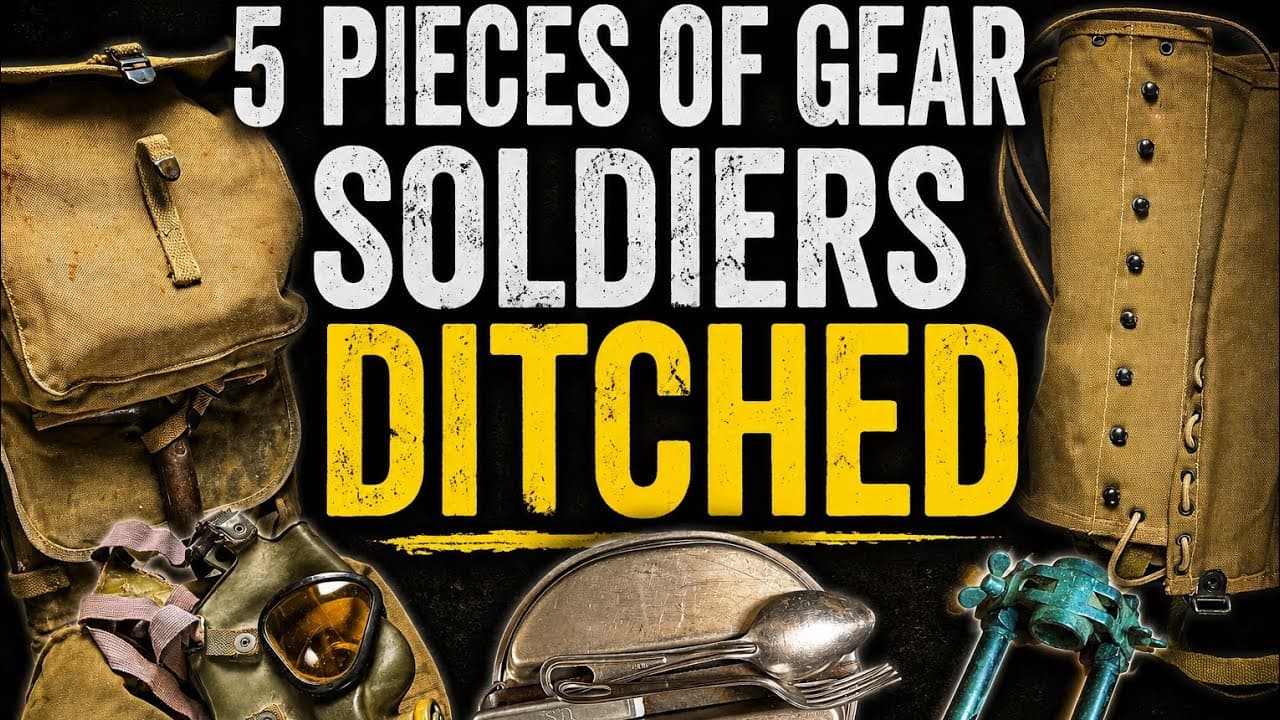
9:595 Pieces of Gear U.S. Soldiers Ditched in Combat (WWII) - Soldier's Choice Explained
 15:46
15:46