
Google’s Quantum Chip Just Broke Physics 🤯 Scientists Are Freaking Out - Google’s Quantum Chip Just Broke Physics 🤯 - Epic Leap
Google’s Quantum Chip Just Broke Physics 🤯 Scientists are stunned by the Willow chip's potential. Discover what makes it a game-changer.
By Luminox Zenith · 18:08
Imagine a world where computers can solve complex problems in seconds. In a fascinating video titled "Google’s Quantum Chip Just Broke Physics 🤯 Scientists Are Freaking Out," Luminox Zenith delves into how Google's Willow Quantum Chip has taken us a step closer to this reality.
A New Era in Quantum Computing
For years, scientists grappled with the limitations of traditional computing. But Google's latest achievement is causing a stir. The Willow Quantum Chip has managed to achieve what was thought impossible-overcoming decoherence and drastically improving error rates. This isn't just another tech announcement; it's a peer-reviewed, scientifically verified breakthrough. In my view, this is a historical moment in computing.
What Makes Willow Different?
Traditional computers use bits. But Willow's innovation lies in its use of qubits, which can exist in multiple states at once. This allows it to perform calculations 13,000 times faster than our current best machines. The implications are huge, especially for fields like drug discovery and simulation of quantum mechanics.
The Quantum Echoes Algorithm
One of the most exciting aspects of this breakthrough is the introduction of the quantum echoes algorithm. It plays a key role in verifying the results achieved by the Willow chip. This makes it possible to confirm outcomes either through another quantum computer or by real-world experiments, lending credibility to the results.
Challenges Still Ahead
Despite these advancements, we're not yet at the stage where quantum computing is ready for everyday use. Scaling from 105 qubits to the thousands needed for tasks like breaking encryption is a significant hurdle. Governments are already preparing by adopting new encryption standards to withstand future quantum attacks.
Implications for Cybersecurity
Here's the thing: while this technological leap is thrilling, it also poses new cybersecurity challenges. With quantum computers potentially able to decrypt data, proactive measures are necessary. For anyone in tech or security, this is a critical development to watch.
Conclusion
This video isn't just about hype; it's a reflection of genuine scientific progress. Google's Willow chip could very well be the next leap toward fulfilling Richard Feynman's vision of using quantum mechanics to simulate nature. As someone who's followed quantum computing for years, this feels different-truly different.
ChatYT offers more insights and discussions on groundbreaking tech like this. And if you are interested in learning more about the future of quantum computing, make sure to Try ChatYT.
Related Content
- Microsoft Just Shocked The Entire AI World: 7 New AI Models - A Quantum Leap
- Quantum Computing Stocks to Watch: IBM, IONQ & QBTS - The Real Takeaway
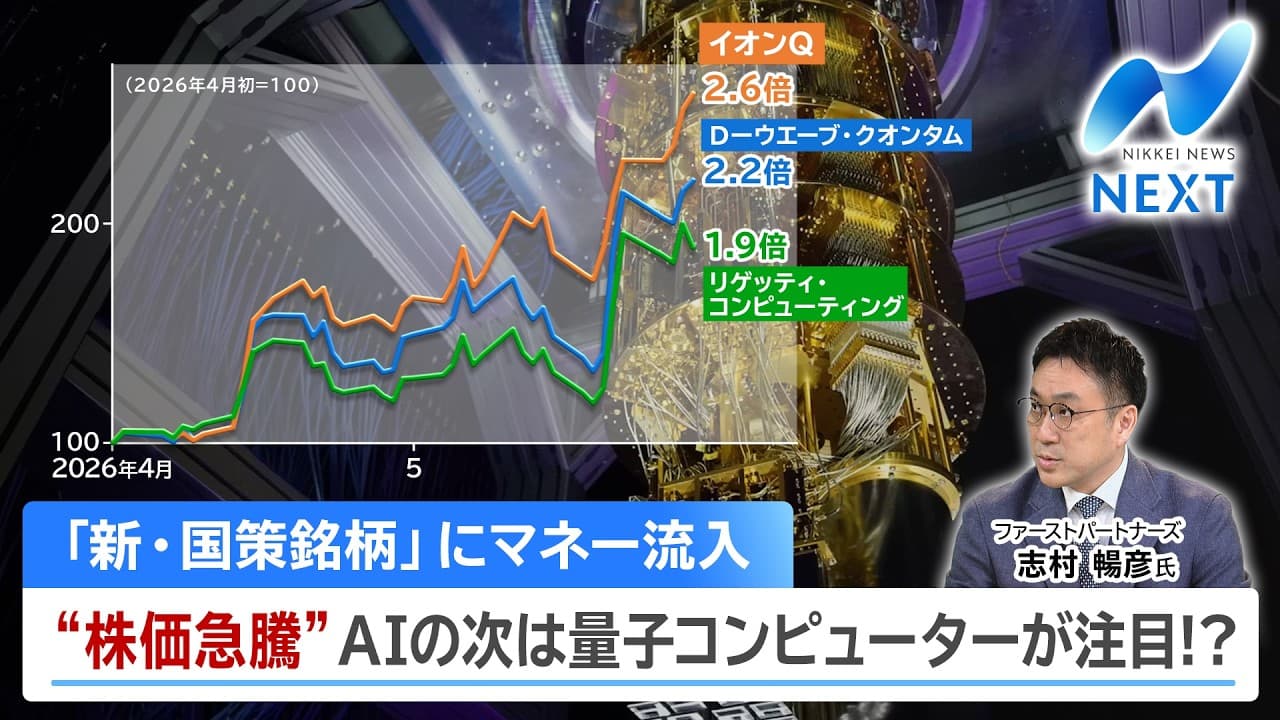
- 「新・国策銘柄」にマネー流入 “株価急騰”AIの次は量子コンピューターが注目!?【NIKKEI NEWS NEXT】 - The Future of Quantum Computing
- You Will NEVER Get A Chance Like This Again! - Quantum Stocks Buzz
Frequently Asked Questions
What is the Willow Quantum Chip?
Why are scientists excited about Google's quantum chip?
What is the quantum echoes algorithm?
How does this breakthrough impact cybersecurity?
Is quantum computing ready for consumer use?
Chat with this Video
Ask AI anything about this video. Get instant answers, summaries, and insights.
Related Videos
 16:42
16:42Microsoft Just Shocked The Entire AI World: 7 New AI Models - A Quantum Leap
 6:58
6:58Quantum Computing Stocks to Watch: IBM, IONQ & QBTS - The Real Takeaway
 9:29
9:29「新・国策銘柄」にマネー流入 “株価急騰”AIの次は量子コンピューターが注目!?【NIKKEI NEWS NEXT】 - The Future of Quantum Computing
 13:01
13:01You Will NEVER Get A Chance Like This Again! - Quantum Stocks Buzz
 6:14
6:14Inside global race for quantum computing breakthrough - UK's Big Leap
 7:50
7:50