
Stanford student explains how AI impacted his graduating class - Unveiling New Educational Dynamics
Stanford student discusses AI's impact on education, ethics, and culture.
By CBS News · 4:55
When CBS News interviewed Stanford student Theo Baker for his insights on how AI has affected his graduating class, it shed light on an evolving educational field. Baker, an investigative journalist, doesn't just give a dry account. He discusses nuanced perspectives on how AI acted as a massive accelerator at Stanford, leading to increased stratification and commercialization of education. Can AI's disruptive influence redefine what we value in education?
The conversation isn't only about the impact of AI on academics; it's about a shift in culture. Baker notes a decline in computer science enrollment, not because the interest faded, but due to the disruptive nature of AI technologies like ChatGPT. It's fascinating to see how a technology intended to enhance has forced students to reconsider their paths. I’ve found that when innovation moves too fast, it can leave young minds scrambling for solid ground.
AI's Role in Academic Integrity
The issue of academic integrity in the age of AI is another point of concern. Baker cites surveys showing that some students prioritize success over ethics, a trend fueled by AI's ability to facilitate cheating. It’s troubling to think that while AI can offer incredible educational tools, it also lowers the barriers to dishonest behavior. Could this trend be more about the human condition than the technology itself? Perhaps the tools merely expose existing flaws in our systems and values.
Commercialization of Education
The commercialization trend is hard to ignore. Baker discusses how education at Stanford now mirrors the commercial values of Silicon Valley. The pressure to succeed at any cost has students and professors alike questioning their priorities. It’s a reminder that the drive for innovation often comes with a hefty price tag.
For those interested in how AI is shaping educational norms, ChatYT offers a platform to delve deeper into these conversations, making complex topics accessible.
Reflections on the Stanford Experience
Despite the challenges posed by AI, Baker remains appreciative of his time at Stanford. He reflects on the institution’s commitment to innovation and its role in fostering forward-thinking individuals. His book, "How to Rule the World: An Education in Power at Stanford University," is a testament to the complexities and contradictions of modern academic environments.
Related Content
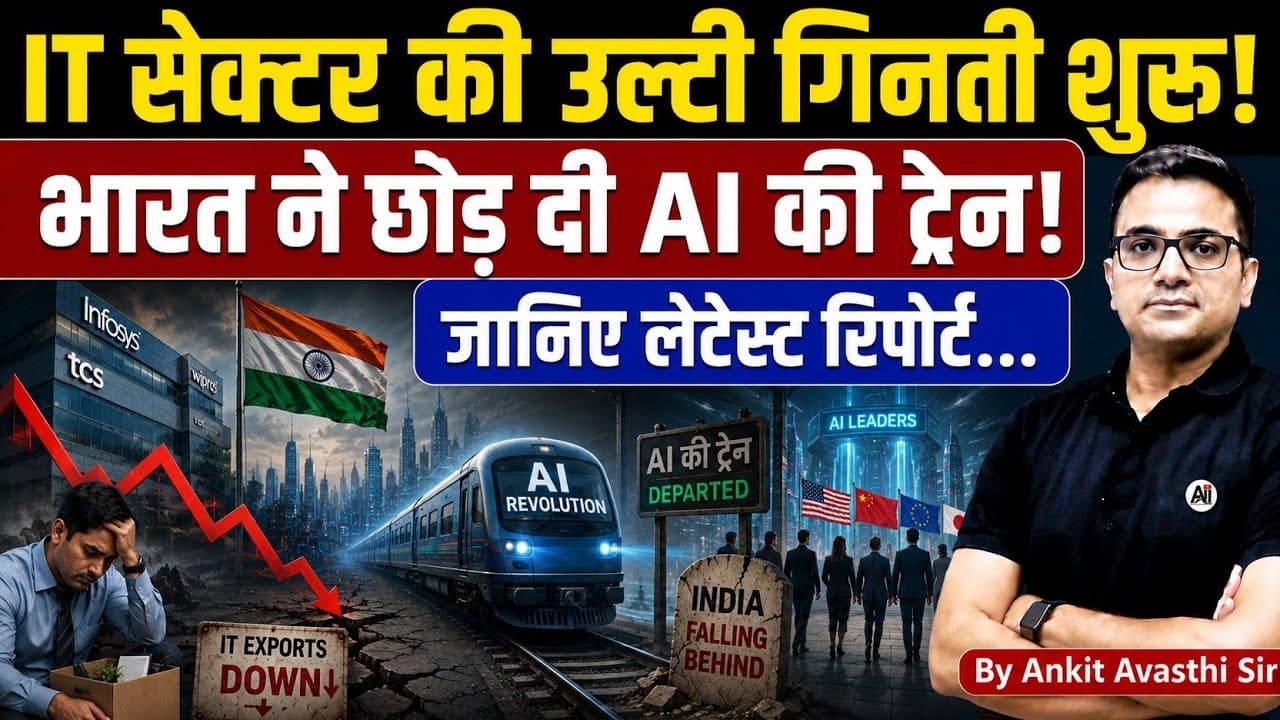
- Why India is Falling Behind in AI Race? Latest IT Sector Report Explained - Why India is Falling Behind in AI Race? Explained Simply
- Ryan EXPOSES INSANE SCHUMER AI $9 Million SCREWUP - Political AI Fiasco
- How the US and China Took Control of the Next Tech Revolution। Breaking News By Ankit Avasthi Sir। - India's AI Awakening
- [현장영상] "감명 깊었다" 정부 칭찬하자…'이때다' 대통령 부탁한 것이 / JTBC News - AI and Labor Impacts Explored
Frequently Asked Questions
What is the main impact of AI on Stanford students according to Theo Baker?
Why are computer science enrollments declining at Stanford?
How does AI affect academic integrity at Stanford?
What cultural shifts are happening at Stanford because of AI?
Does Theo Baker regret attending Stanford in the AI era?
What book did Theo Baker write and what is its focus?
Chat with this Video
Ask AI anything about this video. Get instant answers, summaries, and insights.
Related Videos
 5:43
5:43방금 뜬 초대형 속보…삼성전자 다음주 +29% 전망 - The Real Takeaway
 18:33
18:33Why India is Falling Behind in AI Race? Latest IT Sector Report Explained- News by Ankit Avasthi Sir - Why India is Falling Behind in AI Race? Explained Simply
 18:09
18:09Ryan EXPOSES INSANE SCHUMER AI $9 Million SCREWUP - Political AI Fiasco
 15:43
15:43How the US and China Took Control of the Next Tech Revolution। Breaking News By Ankit Avasthi Sir। - India's AI Awakening
![[현장영상] "감명 깊었다" 정부 칭찬하자…'이때다' 대통령 부탁한 것이 / JTBC News - [현장영상] "감명 깊었다" 정부 칭찬하자 - AI and Labor Impacts Explored](/_next/image?url=https%3A%2F%2Fi.ytimg.com%2Fvi%2FJRMtnEtLU98%2Fmaxresdefault.jpg&w=1920&q=75) 5:32
5:32[현장영상] "감명 깊었다" 정부 칭찬하자…'이때다' 대통령 부탁한 것이 / JTBC News - [현장영상] "감명 깊었다" 정부 칭찬하자 - AI and Labor Impacts Explored
 17:47
17:47