
Why didn't the Boers ever unite against the British? (Short Animated Documentary) - Summary, Key Takeaways & FAQ
Explore why the Boers never united against the British in this fascinating animated documentary summary.
By History Matters · 8:34
Have you ever wondered why the Boers, despite facing a common adversary in the British, never unified their efforts? The video "Why didn't the Boers ever unite against the British? (Short Animated Documentary)" by History Matters dives deep into this historical conundrum. When I watched it, what struck me was the complexity of political and social divisions that kept the Boers fragmented. It wasn't just about fighting an imperial power - it was a chess game of politics, economics, and fear of losing autonomy.
Historical Context of the Boer States
Here's the thing - the Boers weren't just one homogenous group. They were split mainly into the Orange Free State and the South African Republic. These were not just geographical divisions but also political ones. These states had been recognized as independent by the British, which ironically made them more hesitant to unify. Why risk losing their recognized status, right?
I've often noticed in history that autonomy can be a double-edged sword. On the one hand, it gives you freedom. On the other, it's a trap. The Boers found themselves caught in this dilemma.
The Role of Natural Resources
Gold and diamonds - they changed everything, didn't they? With these resources discovered in Boer territories, the region became a magnet for foreign interest. In the video, the discussion of how these riches invited external threats was fascinating. The British, seeing an opportunity, exerted their influence aggressively. And honestly, who wouldn't want a piece of the wealth?
Military and Political Maneuvering
The video’s take on military strategies was eye-opening. The British Empire wasn't just sitting back; they were strategically building up forces and control. The Boers, despite several victories, couldn't match the sheer political and military might. The resource control, military reinforcement, and even tactics like concentration camps were brutal but effective.
Internal Discord and External Pressure
The internal political differences among Boer leaders, like Martinus Pretorius, are a classic example of how disunity can be a downfall. Pretorius's efforts for unification were stymied not just by British interference but by internal resistance. The fear of losing what little independence they had, ironically, kept them from achieving a greater unity.
The Aftermath: Anglo-Boer Wars
The Anglo-Boer Wars were a direct consequence of these unresolved tensions. The British strategy, relentless and ruthless, eventually led to the Boer surrender. By 1910, the former Boer states were incorporated into the Union of South Africa, marking the end of their independence.
This entire saga reminds me of how conflicts are rarely about the apparent issues. It's a tangled web of politics, economics, and human fears.
Learn from more videos on ChatYT to explore this and other nuanced historical topics.
Related Content
- The Army's Goofiest Light Tank Project - Summary, Key Takeaways & FAQ
- 🚨 First Time after WORLD WAR 2- AMERICA Is Doing This 🤯| Aye Jude ✊ - Summary, Key Takeaways & FAQ
- شرح كل إمبراطورية حكمت العالم في 14 دقيقة - Summary, Key Takeaways & FAQ
- Secret WW2 Prison Uses Inmates as Lab Rats to Test New Deadly Plagues - Summary, Key Takeaways & FAQ
Frequently Asked Questions
Why didn't the Boers unify against the British?
The Boers didn't unify mainly due to political differences, recognized independence of their states by the British, and fear of losing autonomy.
What were the main Boer states?
The main Boer states were the Orange Free State and the South African Republic.
How did British control affect the Boers?
British control, via military force and political take advantage of, eventually led to the defeat of Boer states and their incorporation into the Union of South Africa.
What role did natural resources play? The discovery of diamonds and gold made Boer territories targets for British and international interests, complicating their political world.
What were the outcomes of the Anglo-Boer Wars? The Anglo-Boer Wars ended with the British victory, leading to the Boers' incorporation into the Union of South Africa by 1910.
How did internal discord affect Boer resistance? Internal disagreements among Boer leaders slowed unification efforts and weakened their stance against British forces.
How did British strategies lead to Boer defeat? The British used military reinforcements, control of resources, and tactics like concentration camps to systematically weaken and defeat the Boer states.
Frequently Asked Questions
Why didn't the Boers unify against the British?
What were the main Boer states?
How did British control affect the Boers?
What role did natural resources play?
What were the outcomes of the Anglo-Boer Wars?
How did internal discord affect Boer resistance?
How did British strategies lead to Boer defeat?
Chat with this Video
Ask AI anything about this video. Get instant answers, summaries, and insights.
Related Videos
 15:57
15:57Travel To Dagestan | History & Documentary | Interesting Facts about Dagestan | داغستان کی سیر - Discover Unseen Traditions
 19:24
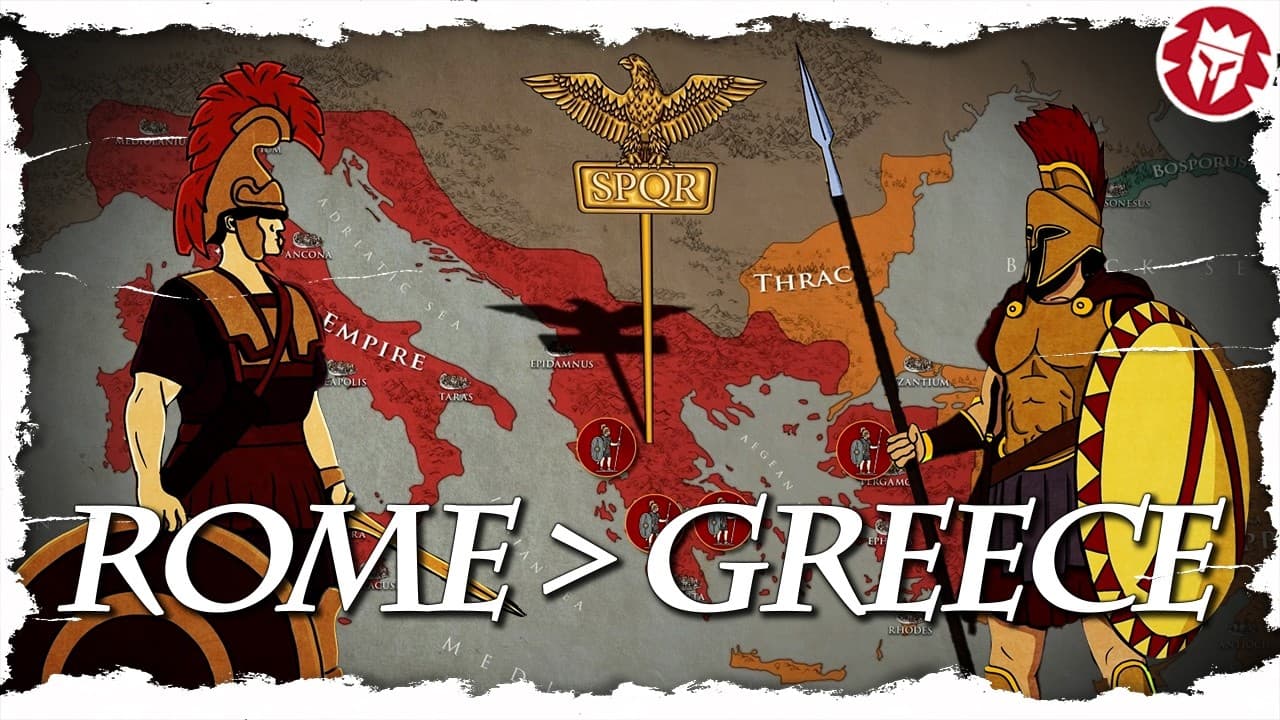
19:24Why Greece Fell to Rome - Legion vs Phalanx: Why Rome Won - Why Greece Fell to Rome - Legion vs Phalanx: Rome's Mastery Unveiled
 8:34
8:34Audie Murphy Wins the Medal of Honor (Full Scene) | To Hell and Back - Courage Under Fire
 10:41
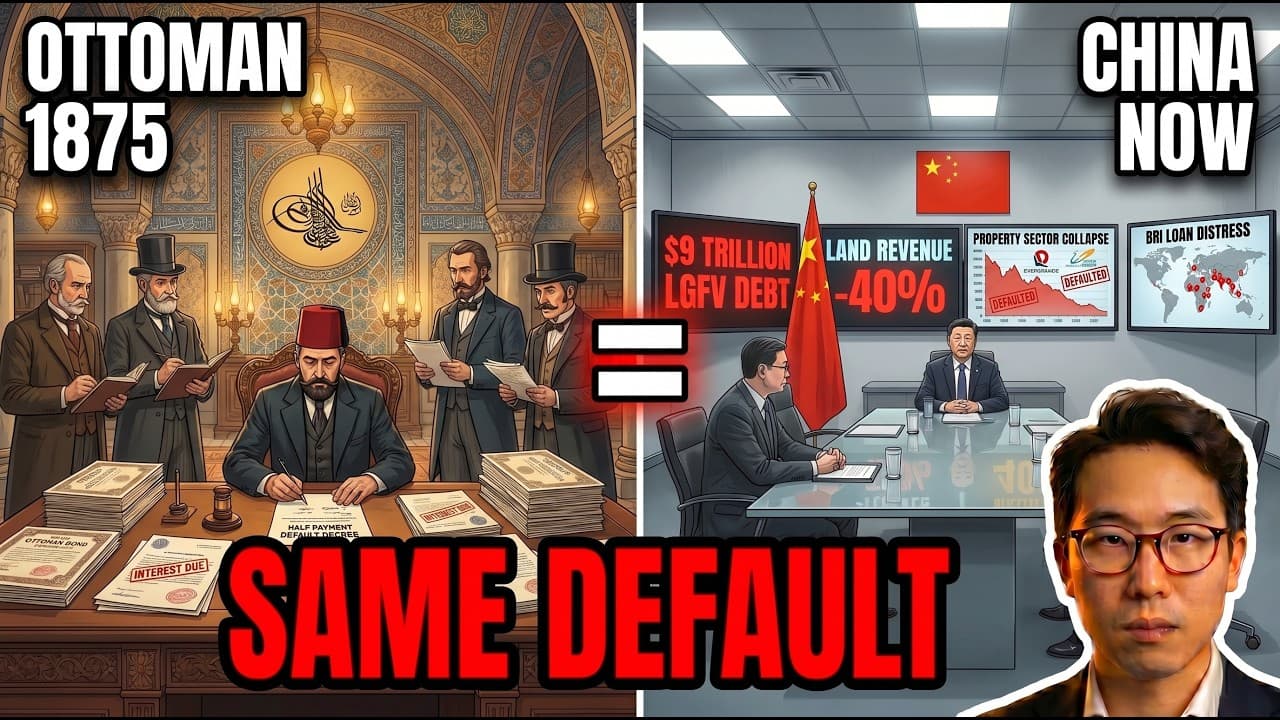
10:41China Is Doing Exactly What The Ottoman Empire Did In 1875. And The Default Is Coming - China Is Doing Exactly What The Ottoman Empire Did In 1875 - A Fiscal Parallel
 17:27
17:27জঙ্গলের গভীরে লক্ষ লক্ষ মানুষের বসতি! মায়া সভ্যতার অজানা রহস্য | Mystery of Maya Civilization - জঙ্গলের গভীরে লক্ষ লক্ষ মানুষের বসতি! মায়া সভ্যতার অজানা রহস্য - Unraveling the Ancient Enigma
 8:21
8:21