
भारत पछि चीनको कब्जामा लिपुलेक || The Hidden Power Struggle Over Lipulekh Explained - Summary, Key Takeaways & FAQ
Explore the power struggle over Lipulekh explained by Bishwo Ghatana in this video summary.
Von Bishwo Ghatana · 14:52
Have you watched "भारत पछि चीनको कब्जामा लिपुलेक || The Hidden Power Struggle Over Lipulekh Explained"? I was taken aback by the in-depth exploration of this geopolitical hotspot. Lipulekh, a seemingly ordinary mountain pass, has transformed into a strategic battlefield influencing South Asia's future. But why is it so crucial?
Lipulekh isn't just a region of rocks and snow; it's of significant geopolitical importance. The video from Bishwo Ghatana delves into the covert agreements between India and China that intensify the tension, with Nepal's reliable opposition keeping the dispute alive. It feels like a high-stakes game, doesn't it?
The Strategic Importance of Lipulekh
Lipulekh's location makes it more than a disputed border. To comprehend why it matters, consider its role as a trade route agreed upon by India and China without Nepal's consent. This decision has stirred quite a controversy. China’s slow yet steady military expansion in the area adds layers of complexity. Could this strategy reshape South Asia's power dynamics?
China's involvement is mysterious. Officially, China values its friendship with Nepal. Yet, its cooperation with India, often sidelining Nepal's claims, paints a different picture. This contrasts sharply with the 2015 agreement with India, where Lipulekh was designated as a trade corridor without Nepal's agreement.
Historical Claims and Nepal's Stance
Nepal has a sound historical and legal claim to Lipulekh. Dating back to the 1816 Sugauli Treaty, the claim includes Lipulekh, Kalapani, and Limpiyadhura as Nepalese territories. This assertion, backed by historical maps and tax records, strengthens Nepal’s position on international platforms. Ever thought about how past treaties shape current geopolitics?
Nepal views this territorial dispute as a test of national identity and sovereignty. It's about more than land; it's about Nepal's future. Remaining independent and assertive in its diplomatic approach is crucial for Nepal. As Nepal keeps disputes like Lipulekh and Kalapani alive, it showcases its historical resilience and broadens its international presence.
The Changing Dynamics
The renewed focus on Lipulekh reflects the changing dynamics in international relations. Recent strategic agreements between Beijing and New Delhi have rattled Nepalese diplomacy, sparking intense debates in the capital. China's salami-slicing tactic, characterized by incremental territorial and technical expansions, poses a serious question: Is this the new normal for territorial negotiations?
Related Content
- আমেরিকার জাহাজ দখল | US vs Iran Geopolitics | Strait of Hormuz Crisis US Navy Blockade | Bangla News - Summary, Key Takeaways & FAQ
- Geo News 4 PM Headlines | 9 May 2026 - Summary, Key Takeaways & FAQ
- Australia bans banned BLA | Geo News 5 AM Headlines | 9 May 2026 - Summary, Key Takeaways & FAQ
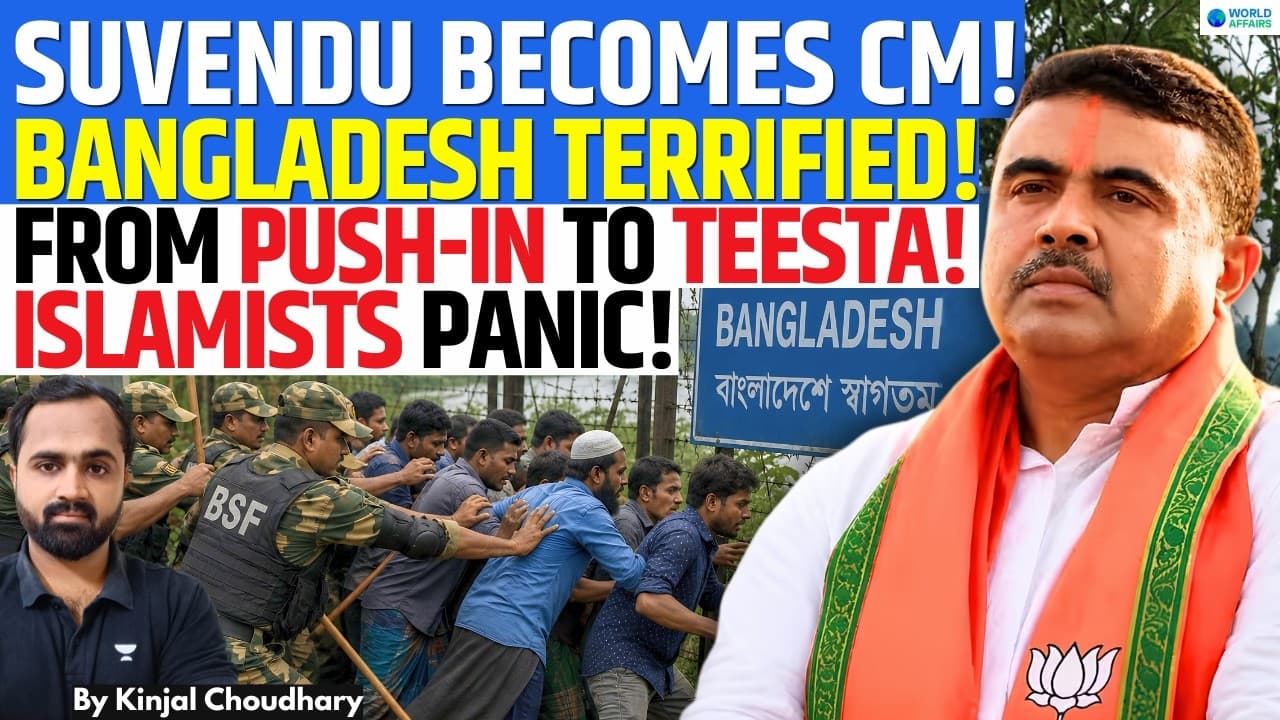
- Bangladesh TERRIFIED As Suvendu Adhikari Chosen As WB CM! Push-In, Teesta & Border Crackdown! Kinjal - Summary, Key Takeaways & FAQ
Häufig gestellte Fragen
Why is Lipulekh important?
What is Nepal's claim on Lipulekh?
How does China view Lipulekh?
What role does India play in the dispute?
Has there been any recent progress in resolution?
How has Nepal reacted to the recent developments?
What is the significance of the 2015 India-China agreement?
How can I learn more about geopolitical issues like this?
Mit diesem Video chatten
Stellen Sie der KI beliebige Fragen zu diesem Video. Erhalten Sie sofortige Antworten, Zusammenfassungen und Einblicke.
Ähnliche Videos
 11:35
11:35আমেরিকার জাহাজ দখল | US vs Iran Geopolitics | Strait of Hormuz Crisis US Navy Blockade | Bangla News - Summary, Key Takeaways & FAQ
 18:01
18:01Geo News 4 PM Headlines | 9 May 2026 - Summary, Key Takeaways & FAQ
 8:36
8:36Australia bans banned BLA | Geo News 5 AM Headlines | 9 May 2026 - Summary, Key Takeaways & FAQ
 14:51
14:51Bangladesh TERRIFIED As Suvendu Adhikari Chosen As WB CM! Push-In, Teesta & Border Crackdown! Kinjal - Summary, Key Takeaways & FAQ
 4:33
4:33Today Breaking News ! आज 08 May 2026 के मुख्य समाचार बड़ी खबरें, Israel-Iran-Crisis-Pakistan - Key Insights & Analysis
 12:33
12:33