
It’s Broken… The Claude Code Vs Codex Debate Is Finally Over - Summary, Key Takeaways & FAQ
It’s Broken… The Claude Code Vs Codex Debate Is Finally Over: An in-depth look at their strengths and weaknesses.
Von AI LABS · 15:53
I've just finished watching the latest discussion from "AI LABS" on the YouTube video titled "It’s Broken… The Claude Code Vs Codex Debate Is Finally Over." This video dives into a hot topic-comparing the notable differences between Claude Code (Opus 4.7) and Codex (GPT 5.5). The dialogue unravels their capabilities in various realms, from usability to cost-efficiency, and presents an intriguing face-off.
So, what did I find most compelling? The video highlights how Claude Code, once the champion of coding models, has met its match with the advanced GPT 5.5. While Claude has traditionally been lauded for its in-session context editing, recent UI updates have thrown a wrench in its smooth operation. Codex, on the other hand, has caught up rapidly, offering a effortless user interface and efficient cost performance. It’s no longer a straightforward choice.
Performance Face-Off
In my experience, the heart of this debate lies in the models' performance across various tasks. Claude Code's project-specific memory provides consistency, but is that enough? Codex's global memory approach offers flexibility across different projects, making it adaptable. It’s a significant factor when deciding which model best fits diverse coding workflows.
Usability and Experience
The video makes it clear-usability is where things start breaking down for Claude Code. Historically, it performed well, but post the 2.1.0 update, users faced glitches. This got me thinking, how important are these updates? Codex didn’t face such hurdles. Its UI remains smooth, impacting user experience positively, and it also benefits from more efficient token usage.
Integration and Adaptability
Codex’s integration with OpenAI’s image models is another standout point. Here’s the thing, Codex not only excels in coding tasks but also in constructing and debugging processes. It's adaptable! While Claude Code focuses on ensuring a harmonious user experience with its full-stack engineer-like approach, Codex delivers backend efficiency.
Key Takeaways
For those of us who have been on the fence, this comparison sheds light on what each model brings to the table. Claude Code may appeal to those who value workflow consistency, but Codex’s ability to handle complex tasks with fewer tokens makes it hard to ignore.
Explore more insights with ChatYT to enhance your learning from YouTube videos using AI.
Related Content
- I Tried 100+ Claude Code Skills. These 6 Are The Best - Summary, Key Takeaways & FAQ
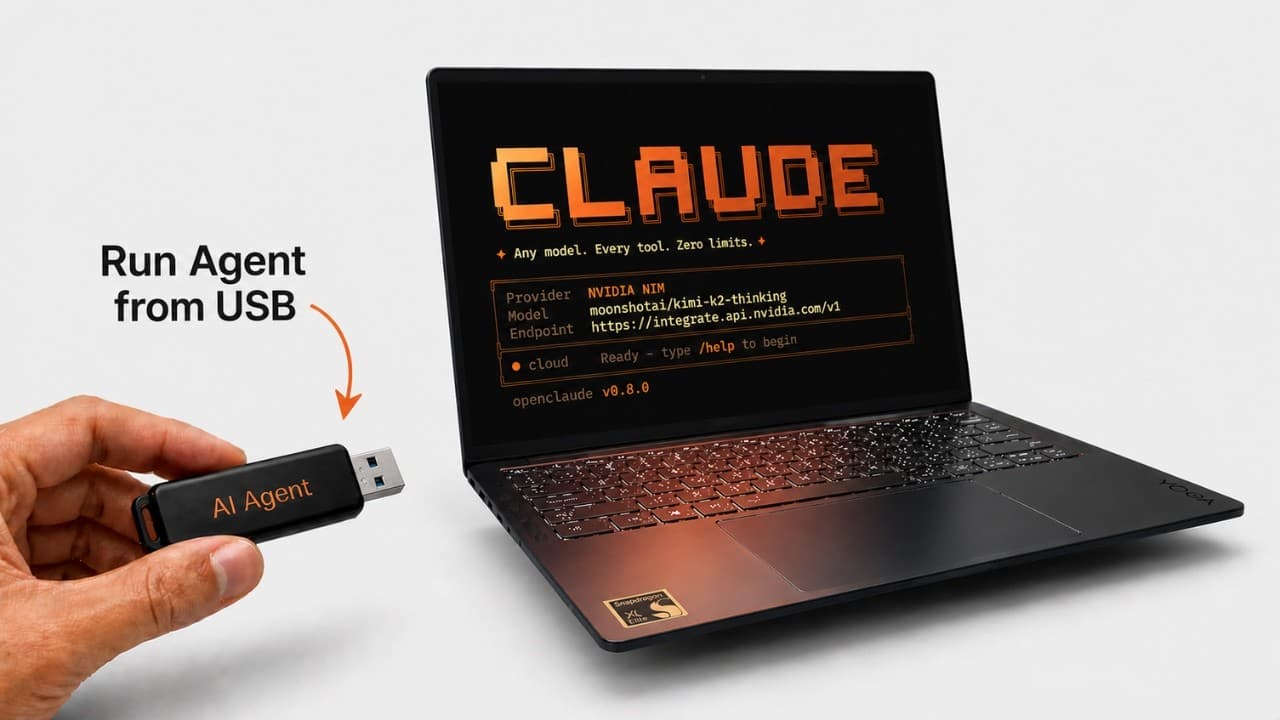
- Run Claude Code From a USB Drive | Free And Portable (No GPU)🤯 - Summary, Key Takeaways & FAQ
- 【詳細解説】Claude Code Routinesって何? クラウドで自動で動きだすClaude / 他のClaudeサービスとの違い / コーディング以外も自動化(日報もSlackチェックも) - Summary, Key Takeaways & FAQ
- The Vibe Coding Era: Why AI Won’t Replace Software Engineers - Summary, Key Takeaways & FAQ
Häufig gestellte Fragen
What is the main focus of the video?
How does Codex compare to Claude Code in usability?
What are the key strengths of Codex?
Why was Claude Code preferred historically?
What unique features does Codex offer?
How does Claude Code handle project memory?
What did the presenter conclude?
How can I learn more about these AI models?
Mit diesem Video chatten
Stellen Sie der KI beliebige Fragen zu diesem Video. Erhalten Sie sofortige Antworten, Zusammenfassungen und Einblicke.
Ähnliche Videos
 18:28
18:28Probé TODOS los Agentes de IA para Código… Esto Aprendí - Summary, Key Takeaways & FAQ
 13:39
13:39I Tried 100+ Claude Code Skills. These 6 Are The Best - Summary, Key Takeaways & FAQ
 8:11
8:11Run Claude Code From a USB Drive | Free And Portable (No GPU)🤯 - Summary, Key Takeaways & FAQ
 17:44
17:44【詳細解説】Claude Code Routinesって何? クラウドで自動で動きだすClaude / 他のClaudeサービスとの違い / コーディング以外も自動化(日報もSlackチェックも) - Summary, Key Takeaways & FAQ
 12:27
12:27The Vibe Coding Era: Why AI Won’t Replace Software Engineers - Summary, Key Takeaways & FAQ
 10:45
10:45