
양자컴퓨터, 미국이 3조 원 베팅한 진짜 이유 - Behind the Investment
Discover why the US invested 3 trillion won in quantum computing on "돈공부" channel.
By 돈공부 · 13:20
Why would the United States invest a staggering 3 trillion won in quantum computing? This question is the crux of a recent video titled "양자컴퓨터, 미국이 3조 원 베팅한 진짜 이유" on the popular channel "돈공부." The video dives into the significant decision by the U.S. government to not just fund but become a shareholder in nine quantum computing companies.
Quantum computing is a field that promises to revolutionize the way we process information, with capabilities far beyond traditional computers. Imagine solving complex problems within minutes that would typically take a supercomputer centuries-Google's quantum chip has demonstrated such feats. The stakes are high, and the U.S. government is betting big.
The Stakes of Quantum Technology
In my experience, investments of this magnitude aren't made lightly. So, what does it signal when a government decides to purchase shares instead of doling out research grants? It's a clear sign of confidence in the technology's potential. Rather than offering subsidies, the government is gearing up for a share of future profits.
IBM and Beyond
IBM emerges as a major player in this narrative, receiving the largest slice of the investment pie-10 billion dollars. They're not just sitting on this capital; IBM is aiming to bring quantum computers into practical use by 2029. They're building dedicated quantum chip foundries, laying the groundwork for what could be the next technological leap.
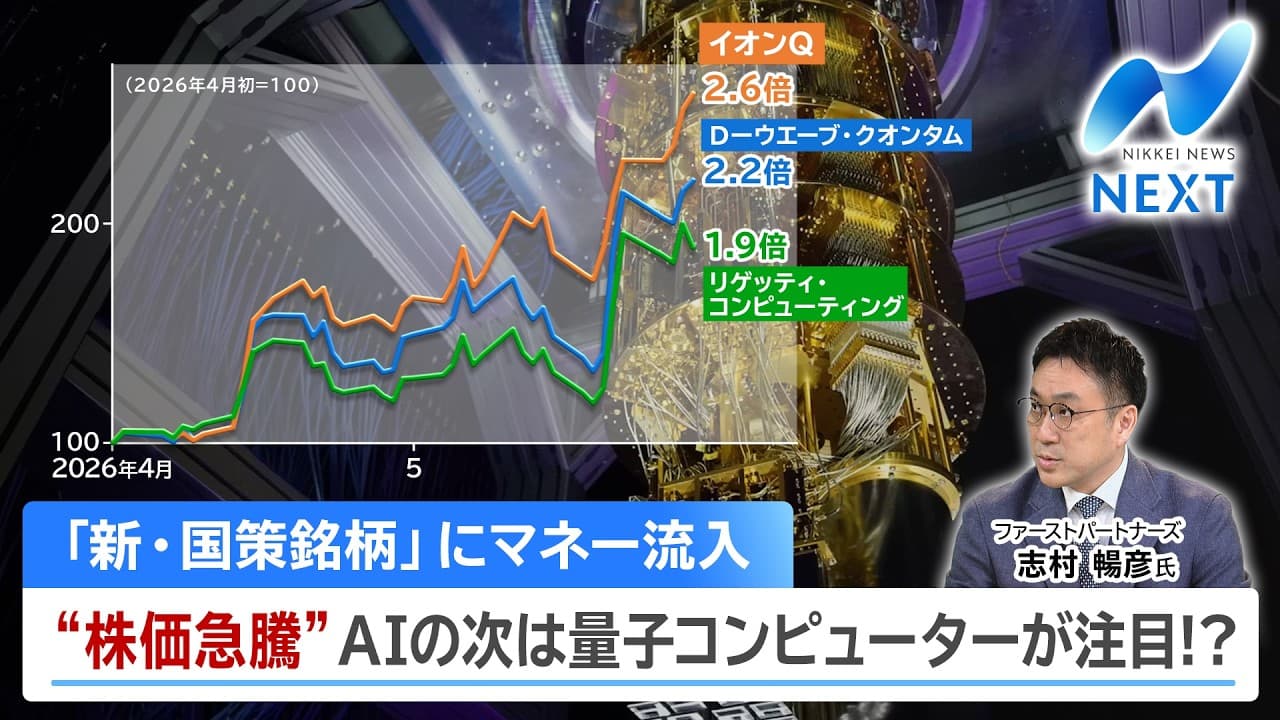
Companies like D-Wave, Rigetti, and IonQ also received significant funding. These investments aren't about sprinkling cash across the board-it's about strategic, targeted spending where it counts.
The Security Paradigm Shift
Here's the thing: quantum computing's rise also spells a potential threat to existing internet security protocols. The video explains how this technology could unravel current encryption methods, prompting the National Institute of Standards and Technology to advocate for a new security framework. It's a bit alarming, but necessary for advancement.
The Global Race
It's not just the U.S. that's in this race. Countries worldwide are competing for dominance in quantum computing-an industry with no clear finish line yet. This is a marathon, not a sprint, and the ramifications for those who lead could reshape global power dynamics.
Related Content
- NVIDIA Just Solved Quantum Computing's Biggest Problem - AI's Role
- Google’s Quantum Chip Just Broke Physics 🤯 Scientists Are Freaking Out - Epic Leap
- Microsoft Just Shocked The Entire AI World: 7 New AI Models - A Quantum Leap
- Quantum Computing Stocks to Watch: IBM, IONQ & QBTS - The Real Takeaway
A Future Uncertain Yet Promising
The video ends with a forward-looking perspective. While no commercial quantum products exist yet, the groundwork being laid suggests it won't be long. Investors should keep a keen eye on these signals and opportunities as quantum computing transitions from concept to reality.
The decisions made today could define tomorrow's tech scene. And honestly, isn't that what makes this field so exciting?
Try ChatYT for more insights from trending videos.
Frequently Asked Questions
Why did the US invest in quantum computing?
What companies received US investments?
How does quantum computing differ from classical computing?
What security challenges does quantum computing pose?
When will quantum computers be commercially available?
Chat with this Video
Ask AI anything about this video. Get instant answers, summaries, and insights.
Related Videos
 15:57
15:57NVIDIA Just Solved Quantum Computing's Biggest Problem - AI's Role
 18:08
18:08Google’s Quantum Chip Just Broke Physics 🤯 Scientists Are Freaking Out - Google’s Quantum Chip Just Broke Physics 🤯 - Epic Leap
 16:42
16:42Microsoft Just Shocked The Entire AI World: 7 New AI Models - A Quantum Leap
 6:58
6:58Quantum Computing Stocks to Watch: IBM, IONQ & QBTS - The Real Takeaway
 9:29
9:29「新・国策銘柄」にマネー流入 “株価急騰”AIの次は量子コンピューターが注目!?【NIKKEI NEWS NEXT】 - The Future of Quantum Computing
 13:01
13:01